allisles.com
Aruba
allisles.com
Aruba

Aruba: Complete Caribbean Travel Guide
Visa Free
Last updated:
Quick Facts About Aruba
- Visa Status: Visa-free for most nationalities
- Currency: Aruban florin (AWG)
- Language: Dutch, Papiamento, English, Spanish
- Best Months: January, February, March, April, May, June, December
- Average Temperature: 28°C (82°F)
- Timezone: America/Aruba (AST, UTC-4)
About Aruba
Aruba sits in the southern Caribbean Sea, far from the hurricane belt. The island belongs to the Kingdom of the Netherlands. You'll find Aruba just 28 kilometers north of Venezuela's coast. Where is Aruba exactly? The coordinates are 12.5211 degrees north latitude and 69.9683 degrees west longitude.
This small island measures only 180 square kilometers, but it packs incredible experiences into that space. The population is about 106,500 people. Most inhabitants live in the capital city, Oranjestad. The island has a desert climate with strong trade winds. These winds make Aruba one of the sunniest places in the Caribbean.
The Dutch influence shapes Aruba's culture, architecture, and government. You see colorful colonial buildings in Oranjestad that reflect this heritage. The island also blends Spanish, Caribbean, and indigenous Arawakan influences. Local people speak multiple languages daily. Dutch is the official language, but most residents speak Papiamento as their first language. English and Spanish are widely understood by tourism workers.
Queen Beatrix International Airport (AUA) serves as the main entry point. Direct flights arrive from the United States, Canada, and South America. The airport sits just outside Oranjestad. Getting from the airport to your hotel takes 15 to 30 minutes.
Why Visit Aruba

Best forFamiliescouplessolo travelersbeach loversdivers
Aruba offers consistent sunshine year-round. The average temperature stays around 28°C, making beach days possible any month. Travelers rarely experience rain here. The island receives fewer than 50 centimeters of rain annually.
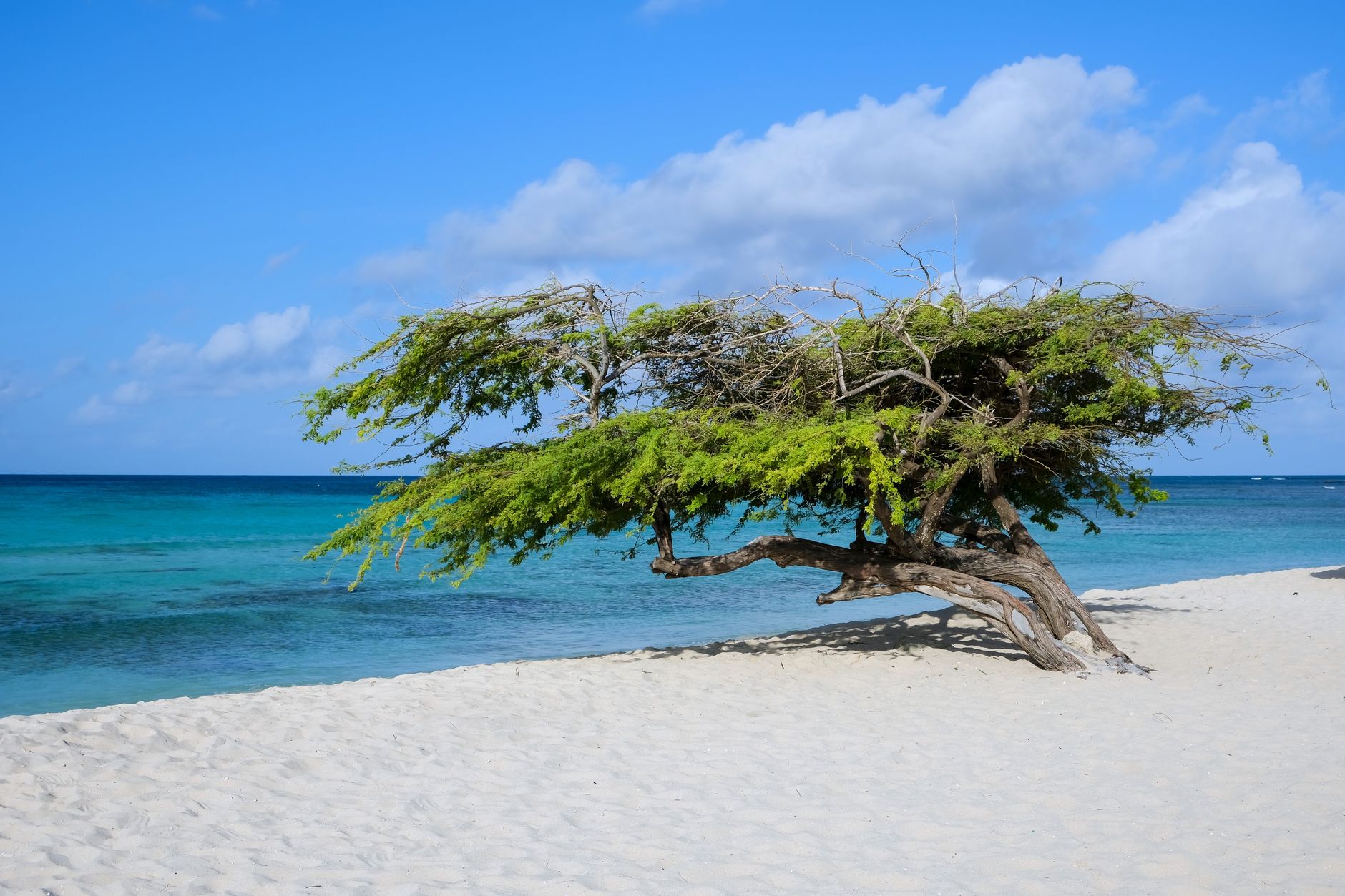
The beaches on Aruba are spectacular and varied. Eagle Beach stretches for kilometers with white sand. Palm Beach offers calm, shallow waters perfect for swimming. Malmok Beach provides excellent snorkeling right from the shore. Fisherman's Huts provides strong winds for kiteboarding and windsurfing.
Scuba diving ranks among the best reasons to visit Aruba. The warm Caribbean waters host colorful coral reefs. Underwater shipwrecks offer exploration opportunities for experienced divers. The Antilla wreck sits in shallow water, making it accessible to beginners. Visibility often exceeds 30 meters in clear conditions.
The Aruba currency is the Aruban florin (AWG). One florin equals approximately 0.56 US dollars, though rates change daily. Many shops and food-restaurants accept US dollars directly. ATMs throughout the island dispense local currency. Credit cards work at major establishments.
The island provides safe, walkable communities. Crime rates are low compared to other Caribbean destinations. Infrastructure is modern and reliable. Electricity and water services function consistently. Roads are well maintained and clearly marked.
PRO TIP: Exchange currency at your bank before traveling or use ATMs in Oranjestad. Airport exchange rates are less favorable than bank rates.
Aruba Map and Geographic Location
Aruba's location makes it unique in the Caribbean. Most Caribbean islands sit within the hurricane belt. Aruba escapes this dangerous zone entirely. The island sits below the trade wind belt that carries most hurricanes. This geographic advantage means fewer storms and more predictable weather.
The island has an elongated shape running roughly east to west. The width varies from 10 to 25 kilometers. The terrain is mostly flat with some small hills. The highest elevation reaches only 188 meters at Mount Jamanota.
Oranjestad occupies the northwestern coast. This port city serves as the commercial and cultural heart. San Nicolas sits on the southeastern side. This smaller town has local character and fewer tourists. The interior features arid landscape with divi-divi trees and desert vegetation.
The Aruba map shows distinct geographic zones. Coastal areas have sandy beaches and resort development. Inland areas feature rocky terrain and native plants. Small villages dot the landscape between major population centers. Most roads follow the coastline or connect major towns.
To understand where Aruba sits globally, remember this: the island is 28 kilometers from Venezuela, 200 kilometers from Colombia, and 500 kilometers from Miami, Florida. Regional neighbors include Curaçao and Bonaire. These three islands form the ABC islands, all part of the Netherlands Antilles.
PRO TIP: Rent a car to explore Aruba's interior and remote beaches. Roads are excellent and driving is straightforward. Drive on the right side of the road, as Aruba follows this standard.
Aruba for Families

Best forFamilies with children of all ages
Families find Aruba exceptionally welcoming. The island offers safe streets, calm beaches, and family friendly attractions. Children enjoy the consistent warm weather and low crime rates. Parents appreciate the modern infrastructure and good medical services.
The Aruba language situation helps families. English speakers find understanding locals easy. Signs display text in multiple languages. Menu translations are common in tourist areas. Children pick up basic Papiamento words quickly.
Beach time dominates most family vacations here. Palm Beach provides shallow, protected waters for young swimmers. Eagle Beach offers more space for running and playing. Water sports like paddleboarding and kayaking suit older children. The calm conditions make water activities safe for beginners.
The Ostrich Farm in San Nicolas introduces kids to exotic animals. Children can feed and touch ostriches. The farm experience lasts about one hour. Located at Matividiri Farm, this attraction sits in the southeastern part of the island.
Butterfly Farm Aruba houses hundreds of native and exotic butterflies. The indoor garden maintains warm, humid conditions. Children walk through butterfly gardens at their own pace. This educational experience teaches about insect life cycles. The farm operates daily from 9 AM to 4 PM.
Families with budget constraints benefit from Aruba's safety and infrastructure. Children can play in parks without constant supervision concerns. Public beaches are free and well maintained. Many restaurants offer kids' menus at reasonable prices.
Families seeking luxury find all-inclusive resorts with kids' clubs. These facilities provide supervised activities while parents relax. Entertainment options include water slides, mini golf, and beach games. High-end resorts offer babysitting services for dining out.
Aruba for Couples
Best forHoneymoon couplesromantic getawaysanniversary celebrations
Couples find Aruba ideal for romantic escapes. The island's consistent sunshine creates perfect beach days. Sunset walks along the shore happen reliably each evening. The laid-back atmosphere encourages relaxation and connection.
The Aruba time zone is America/Aruba, four hours behind UTC. This means minimal jet lag for travelers from the US East Coast. The island operates on Atlantic Standard Time year-round. Sunset occurs around 6 PM consistently throughout the year. Evening romantic activities feel natural here.
Eagle Beach offers the most romantic setting on the island. The long shoreline accommodates private moments. Palm trees frame the horizon perfectly. Many couples enjoy sunset dinners at beachfront restaurants here.
Water sports create exciting couple activities. Catamaran cruises depart daily with sunset options. Swimming together in calm, warm water builds connection. Snorkeling at Malmok Beach lets couples explore underwater gardens side by side. Windsurfing or kiteboarding suits adventurous couples seeking thrills.
Couples seeking luxury book suites with private pools or ocean views. High-end resorts like Divi Village provide romantic ambiance. Spa services offer couples' massages. Fine dining restaurants provide special occasion settings. These experiences justify higher nightly rates for memorable moments.
Budget conscious couples enjoy free beach time and scenic walks. Local restaurants in San Nicolas offer authentic meals at fair prices. Happy hour promotions at bars provide affordable drinks and appetizers. Picnicking at remote beaches costs nothing but memories.
Aruba for Solo Travelers

Best forIndependent travelersbackpackersdigital nomads
Solo travelers feel safe and welcome on Aruba. The low crime rate means exploring alone presents minimal risk. Local people are friendly and helpful to visitors. English speakers find communication straightforward in tourist areas.
The island's compact size makes independent exploration easy. Buses connect all major towns affordably. Car rentals cost approximately 30 to 50 per day. Walking covers short distances in Oranjestad. Solo travelers navigate the island confidently without guides.
Hostels and budget hotels serve solo visitors well. Guesthouses offer affordable rates and social environments. Many travelers meet others at common areas. Beach hangouts attract international travelers naturally. Solo dining feels normal in casual restaurants.
Solo divers appreciate Aruba's underwater opportunities. Dive shops offer group excursions daily. These trips connect you with other divers. The warm water and good visibility reward both beginners and experienced divers.
Digital nomads find Aruba's infrastructure adequate. WiFi works reliably in hotels and cafés. Power supplies are stable and consistent. Time zone proximity to US business hours suits remote workers. Coworking spaces exist in Oranjestad for focused work.
Solo travelers enjoy flexibility on Aruba. No rigid tour schedules constrain your time. Visit attractions when you choose. Rest days happen whenever you want. Beach time fills as many hours as desired.
PRO TIP: Visit local restaurants in San Nicolas for authentic food and lower prices. Eat where residents dine, not just tourists. Try fresh fish and local dishes like keshi yena.
Best Time To Visit Aruba
The best months to visit Aruba are January, February, March, April, May, June, and December. These months offer the most reliable sunshine and lowest rainfall. Weather remains hot and dry throughout these periods. The average temperature stays around 28°C, perfect for beach activities.
January and February represent peak season. Northern hemisphere winter means many travelers escape cold weather. Expect higher room rates and larger crowds. Beaches fill with visitors during midday hours. Book accommodations weeks in advance for these months.
March through May offer shoulder season benefits. Fewer tourists arrive compared to January-February. Room rates drop 10 to 20 percent. Weather remains excellent for beach and water activities. This period suits budget-conscious travelers seeking good value.
June brings the start of the off-season. Prices decrease further as summer approaches. The island becomes quieter and more local. Weather remains warm and mostly dry. This month suits travelers who prefer fewer crowds.
December offers excellent conditions between off-season and peak season. Weather is reliably sunny and dry. Christmas and New Year holidays draw some visitors but fewer than January. Late December offers a good balance of good weather and moderate crowds.
The wet season runs from July through November. Afternoon showers occur occasionally but rarely last long. The risk of hurricanes is virtually zero on Aruba due to geographic location. Rates drop significantly during these months. Many resorts stay open with skeleton staffing. Sunny days are still frequent even in wet season.
Getting To Aruba
Queen Beatrix International Airport (AUA) receives most visitors. The airport sits 3 kilometers from Oranjestad. Major airlines operate direct flights from North America. Connections exist through Miami, Houston, and other hubs. The flight from Miami takes approximately 3 hours.
Visa requirements are minimal for most travelers. Aruba remains visa-free for most nationalities. Check official entry rules before traveling. US citizens need valid passports valid for six months. European citizens follow similar requirements. Some nationalities receive visa on arrival if not pre-approved.
Airport ground transportation offers several options. Taxis wait outside baggage claim areas. Rates are fixed and regulated. A taxi to Eagle Beach or Palm Beach costs approximately 25 to 35. Car rental companies maintain desks in the terminal. Budget travel means car rentals often cost less than daily taxis.
Once on the island, getting around is straightforward. The Aibus public transportation system connects all major areas. Buses operate regularly from 6 AM to midnight. Single rides cost 2.50 per trip. A 10-ride pass costs approximately 20. Buses connect Oranjestad, Eagle Beach, Palm Beach, and San Nicolas.
Renting a car provides maximum flexibility. You'll find international car rental agencies at the airport. Daily rates range from budget to luxury options. Drive on the right side of the road. Speed limits are 50 kmph in towns and 60 kmph on highways. Gasoline costs are moderate compared to European prices.
PRO TIP: Arrive with small bills if using taxis. Drivers may lack change for large denominations. Arrange airport transfers through your hotel in advance for better rates.
Aruba Language and Communication
The official language of Aruba is Dutch. However, most residents speak Papiamento as their first language. Papiamento is a creole language mixing Spanish, Portuguese, Dutch, English, and West African languages. English is widely understood in tourist areas. Spanish speakers find many residents able to communicate in Spanish.
Tourist interactions rarely require Dutch fluency. Hotel staff speak English and Spanish routinely. Restaurant menus include English translations. Signage appears in multiple languages throughout tourist zones. Attractions provide information in English.
Learning basic Papiamento phrases enriches your experience. "Bon dia" means good morning. "Danki" means thank you. "Ayo" means hello. Local people appreciate visitors attempting their language. Friendly interactions often follow small language efforts.
Translation apps work reliably on smartphones. WiFi availability in hotels and restaurants means connectivity is usually possible. Offline translation features in modern phones help in remote areas. These tools eliminate major communication barriers.
Aruba Currency and Money Matters

The Aruban florin (AWG) is the official currency. One florin currently equals approximately 0.56 US dollars, though exchange rates fluctuate daily. The currency symbol is "ƒ" or "Afl." when written.
US dollars are accepted widely on the island. Many restaurants, shops, and hotels accept dollars directly. However, you'll receive change in florins at less favorable rates. Exchanging currency beforehand ensures better rates.
ATMs distribute throughout Oranjestad and major tourist areas. These machines dispense local currency at current market rates. Using ATMs provides the most favorable exchange compared to airport exchanges. Your home bank may charge fees for foreign ATM withdrawals. Check with your bank about international usage fees before traveling.
Credit cards work at established businesses. Visa and Mastercard see wide acceptance. American Express faces more limited acceptance. Some small restaurants and shops prefer cash. Small purchases like snacks or souvenirs require cash.
Budget travelers should plan for these costs: budget hotels run approximately 60 to 100 per night. Meals at casual restaurants cost 10 to 20 per person. Beach access is free. Attraction entry fees range from 5 to 15. Car rentals cost 30 to 50 daily for economy vehicles.
Luxury travelers expect higher costs aligned with resort pricing. Fine dining meals cost 40 to 80 per person. Upscale resorts cost 200 to 400 per night. Water sports and special activities run 100 to 300 for half days. These expenses provide exceptional experiences but require advance budgeting.
Frequently Asked Questions
Aruba at a Glance
Aruba sits in the southern Caribbean Sea at coordinates 12.5211°N, 69.9683°W. The island belongs to the Kingdom of the Netherlands. It lies 28 kilometers north of Venezuela and forms part of the ABC islands group along with Curaçao and Bonaire. The island is approximately 500 kilometers south of Miami, Florida, placing it below the Atlantic hurricane belt. This southern location provides Aruba with its famous sunny climate and storm-free status. The compact 180-square-kilometer island sits in a strategic position between South America and the larger Caribbean islands to its north.
What Currency Does Aruba Use?
Aruba uses the Aruban florin (AWG) as its official currency. One florin currently exchanges for approximately 0.56 US dollars, though rates fluctuate daily. US dollars are widely accepted throughout the island, especially in tourist areas. However, exchanging currency before travel ensures better exchange rates than converting dollars to florins. ATMs throughout Oranjestad and major towns dispense local currency at favorable rates. Your home bank may charge fees for international ATM withdrawals, so check policies before traveling. Most major credit cards work at established businesses, though small shops and restaurants prefer cash payments.
What Language Do People Speak in Aruba?
Dutch is Aruba's official language, but most residents speak Papiamento daily. Papiamento is a creole language blending Spanish, Portuguese, Dutch, English, and African influences. English is widely understood in tourist areas. Spanish speakers find many locals able to communicate. Tourism workers routinely speak English and Spanish fluently. Signage and menus display multiple languages. Learning basic Papiamento phrases like "Bon dia" (good morning) or "Danki" (thank you) enriches interactions with locals. Translation apps on smartphones handle communication barriers in remote areas where English speakers are fewer.
What Is Aruba's Time Zone?
Aruba operates on Atlantic Standard Time (AST), designated as America/Aruba in global systems. This equals UTC-4, or four hours behind Coordinated Universal Time. For US travelers, Aruba is one hour ahead of Eastern Standard Time during winter months. The island does not observe daylight saving time, so this time difference remains consistent year-round. This proximity to US time zones means minimal jet lag for American travelers. Sunset occurs consistently around 6 PM throughout the year due to the island's equatorial location. This reliable timing makes sunset activities predictable for planning romantic evenings or evening beach activities.
Do I Need a Visa To Visit Aruba?
Most nationalities do not require a visa to visit Aruba. US citizens, Canadian citizens, and European Union nationals can enter visa-free. A valid passport is required, and it should be valid for at least six months beyond your travel dates. Arrival allows a standard 90-day visitor stay. Some nationalities may receive visa on arrival at immigration. Checking official entry requirements before booking is essential, as regulations occasionally change. The Aruban government website provides current visa information by nationality. Traveling with proper documentation ensures smooth arrival and eliminates border delays.
Related Pages on Aruba
Islands Near Aruba