Last updated:
Best Markets in Aruba
Aruba's markets showcase local culture and authentic island life. The island's main shopping districts concentrate in Oranjestad Aruba, the capital city. You'll find bustling markets filled with vendors selling fresh goods, traditional crafts, and everyday items. Markets represent the heart of Aruban commerce and community gathering spaces.
Oranjestad's central market area draws locals and tourists daily. The market vendors speak multiple languages including Dutch, Papiamento, English, and Spanish. Visiting markets early morning offers the best selection and energy. You'll encounter friendly merchants eager to share their products and stories. Markets operate year-round, though the best months to visit are January through June and December.
Local markets differ significantly from tourist shopping areas. Markets focus on practical goods rather than souvenirs. You discover genuine Aruban products here, not mass-produced items. Families especially enjoy exploring markets together and sampling local foods. Budget travelers find excellent values and authentic shopping experiences here.
Local Food Markets in Aruba

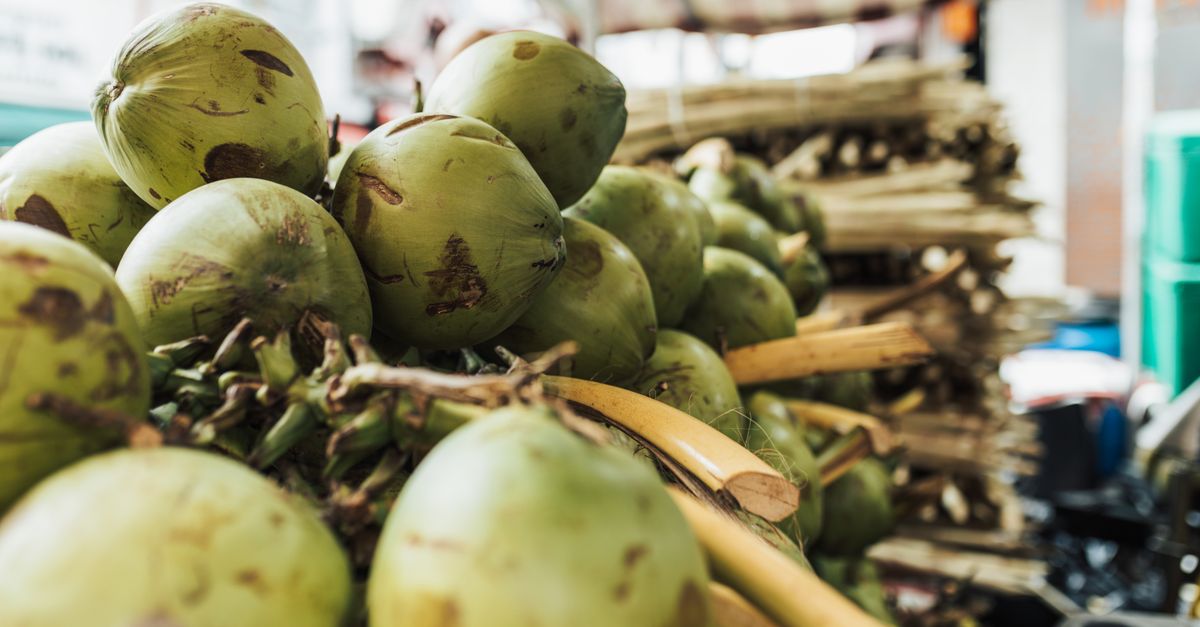
Food markets in Aruba reflect the island's rich culinary traditions. Local fishermen bring fresh seafood daily to market stalls. Tropical fruits like mangoes, papayas, and coconuts fill vendors' displays. You'll see local vegetables adapted to the arid climate. The atmosphere buzzes with activity as shoppers select ingredients for meals.
The Oranjestad area hosts multiple food markets serving residents and visitors. These markets offer windows into daily Aruban life. Fresh fish arrives early morning from local catches. Produce vendors arrange colorful displays of island-grown foods. Prices remain reasonable, especially compared to restaurant dining. Many travelers stop at food markets before visiting Aruba restaurants nearby.
Food market vendors often provide cooking tips and recipe suggestions. You can purchase ingredients to prepare meals in vacation rentals. This approach saves money on Aruba restaurants while enjoying fresh local foods. Many markets accept the Aruban florin and US dollars. Vendors speak enough English to assist tourists navigating their selections.
PRO TIP: Visit food markets between 6 AM and 10 AM for the freshest selection and most vendors. Bring reusable bags or small boxes for easy carrying. Many vendors offer samples of their products, so you can taste before buying. Haggling is acceptable but not required at Aruban markets.
Craft and Souvenir Shopping
Aruban artisans create beautiful handmade crafts reflecting island culture. Local craftspeople produce items using traditional techniques passed through generations. You'll find jewelry, textiles, pottery, and wooden items throughout Oranjestad Aruba. These pieces make meaningful gifts and personal mementos from your visit.
Craft workshops and galleries concentrate in downtown Oranjestad. Many shops allow visitors to watch artisans working on their creations. Local jewelry makers incorporate shells and island materials into unique designs. Textile artists produce traditional patterns reflecting Aruban heritage. Wooden crafts range from decorative boxes to functional household items.
Supporting local craftspeople directly strengthens the community. You receive authentic items unavailable elsewhere. Many artisans share stories about their creative processes. Craft shopping offers deeper cultural connections than typical tourist shopping. Expect higher quality and uniqueness compared to mass-produced souvenirs found in other locations.
Where To Buy Local Products

Local shops in downtown Oranjestad Aruba offer genuine island products. Family-owned businesses showcase items crafted by island residents. Walking streets in the capital reveals hidden shops selling local goods. You'll discover restaurants, shops, and markets within easy walking distance of each other.
The Lloyd G. Smith Boulevard in Oranjestad hosts numerous local retailers. This area combines markets, craft shops, and Aruba restaurants in one convenient location. Local supermarkets stock regional foods and products unavailable internationally. These stores offer better prices than resort gift shops. Many locals shop here, ensuring authentic inventory selection.
Neighborhoods beyond downtown reveal authentic shopping experiences. Residential areas host small shops selling everyday Aruban products. These locations see fewer tourists, offering genuine local experiences. Transport to these areas is affordable via local buses or taxis. Exploring beyond Oranjestad Aruba provides deeper cultural immersion and better values.
PRO TIP: Ask local restaurant staff for shopping recommendations. They know which vendors sell quality items and fair prices. Many Aruba restaurants owners purchase from the same local suppliers serving tourists. This connection provides insider knowledge for your shopping adventures.
Downtown Oranjestad Shopping Districts
Downtown Oranjestad concentrates most of Aruba's retail activity. The pedestrian-friendly streets make shopping enjoyable and safe. You'll find modern shops alongside traditional market stalls. Weather typically requires light clothing and sun protection during visits. The average temperature of 28°C stays warm year-round.
Shopping areas remain accessible by foot from cruise ship docks. Most visitors enjoy exploring downtown within a few hours. Shops stay open during typical business hours, though some close mid-afternoon. Currency accepted includes both Aruban florin and US dollars widely. Restrooms and drinking water stations are available throughout downtown areas.
Local Craft Workshops and Galleries
Aruba's artisan community creates in small workshops throughout the island. Many craftspeople welcome visitors to watch creative processes. Photography is sometimes permitted, though you should always ask first. These workshops offer opportunities to purchase directly from creators. Prices are fair and often negotiable for multiple items.
Local artists produce everything from fine jewelry to functional ceramics. Traditional Aruban patterns appear in textiles and decorative items. Woodworking represents a significant craft tradition on the island. Glass and shell work incorporate island materials creatively. These authentic items reflect genuine Aruban artistic traditions and heritage.
Shopping Hours and Tips
Typical shop hours in Oranjestad Aruba run from 9 AM to 6 PM on weekdays. Many stores close for lunch between 12 PM and 2 PM. Saturday shopping hours vary between 9 AM and 1 PM. Sunday hours are limited, with some shops remaining closed. Markets open earlier, starting around 6 AM for food vendors.
Shopping during the best months (January through June, December) means pleasant temperatures. You'll avoid the rainy season and heat. Population centers like Oranjestad become more crowded during peak season months. Visiting in shoulder months offers fewer crowds while maintaining good weather. The 28°C average temperature remains comfortable for extended shopping trips.
Bring cash for small vendors who don't accept cards. Major shops and Aruba restaurants accept credit cards and mobile payments. The Aruban florin is the official currency, though US dollars work everywhere. Haggling is appropriate at markets but not in established shops. Arrive early for the best selection and fewer crowds at markets.
Payment Methods and Currency Tips
The Aruban florin (AWG) is the official currency. One florin divides into 100 cents. Exchange rates fluctuate, so check current rates before traveling. ATMs are available throughout Oranjestad and major areas. Visa and Mastercard are accepted at most shops and Aruba restaurants.
US dollars work nearly everywhere on the island. Many vendors prefer dollars, offering fair exchange rates. Avoid exchanging money at hotels, where rates are less favorable. Banks and ATMs provide better conversion rates. Notify your bank before traveling to prevent card fraud alerts.
What To Bring When Shopping
Wear comfortable walking shoes for exploring markets and shops. Lightweight clothing protects you in the 28°C heat. Sun protection including hats and sunscreen is essential. Bring reusable shopping bags to reduce plastic waste. A small backpack helps carry purchases while keeping hands free.
Water bottles keep you hydrated during shopping expeditions. Arrive at markets with smaller bills for easier transactions. Consider visiting Aruba restaurants nearby for lunch breaks. Many shops have limited seating areas, so rest strategically throughout the day.
PRO TIP: Download a currency converter app before arriving. This helps you quickly calculate prices in your home currency. Keep small receipts organized in case you need refunds or exchanges. Many Aruba restaurants near shopping areas offer reasonable lunch prices for budget-conscious travelers.
What To Buy in Aruba

Aruban aloe is a famous local product with multiple applications. The aloe vera plant grows abundantly on the dry island. Products include moisturizers, soaps, and medicinal preparations. Quality aloe items make excellent gifts and personal use items. You'll find them throughout Oranjestad Aruba shops and markets.
Local spices and seasonings reflect Caribbean and international influences. Aruban cuisine incorporates unique flavor profiles. Bottled spice mixes and individual seasonings are available. These items take minimal luggage space and interest food enthusiasts. Prices are reasonable, especially at local markets versus tourist shops.
Rum represents a significant export from Aruba. Local distilleries produce distinctive varieties. Bottles make popular gifts for spirits enthusiasts. Duty-free shopping at Queen Beatrix International Airport offers competitive prices. Resealable bottles prevent leaks in luggage.
Traditional Aruban Crafts and Textiles
Hand-woven textiles incorporate traditional Aruban patterns. Local weavers create scarves, wall hangings, and decorative pieces. Colors reflect island landscapes including blues, greens, and earth tones. These items support local artisans and preserve traditional crafts. Each piece is unique due to hand production methods.
Jewelry featuring shells and local materials is popular. Craftspeople create necklaces, bracelets, and earrings from sustainable sources. Designs range from simple elegant styles to elaborate decorative pieces. Prices vary based on materials and artisan reputation. Supporting jewelry makers helps preserve island craftsmanship traditions.
Food Items and Local Specialties
Dried goat meat, known as "goat stew," represents traditional Aruban cuisine. This preserved meat has long history in island cooking. Vacuum-sealed packages travel well in luggage. The product interests travelers who enjoy unique regional foods. Try sampling it at Aruba restaurants before purchasing to confirm your preference.
Local honey and preserves made from island fruits are available. These items are natural and free from excessive processing. Flavors include passionfruit, papaya, and mango varieties. Small jars fit easily in carry-on luggage. These products appeal to those seeking authentic taste of Aruba.
Casabe bread represents traditional indigenous food preparation. This cassava root-based bread has ancient Caribbean origins. Modern versions are packaged for safe travel. The product represents important cultural heritage. Food enthusiasts appreciate learning about traditional preparation methods.
Frequently Asked Questions
Do I Need a Visa To Visit Aruba?
Most nationalities enjoy visa-free entry to Aruba. The island is part of the Kingdom of the Netherlands and offers visa-free or visa-on-arrival access to many countries. You'll need a valid passport for entry. Check official entry requirements for your specific nationality before traveling. This process typically takes minutes upon arrival at Queen Beatrix International Airport. Having travel insurance is recommended even though visas aren't required.
What Currency Should I Use in Aruba?
The Aruban florin (AWG) is the official currency. US dollars are accepted nearly everywhere, making currency exchange optional. ATMs throughout Oranjestad Aruba dispense currency at fair rates. Banks offer better exchange rates than hotels. Credit cards work at most shops and Aruba restaurants. Notify your bank before traveling to prevent card blocks from foreign transactions.
What Are the Best Times To Shop in Aruba?
Visit markets early morning between 6 AM and 10 AM for best selection. Downtown shops open around 9 AM and close by 6 PM. Many shops close mid-afternoon for lunch. The best months to visit overall (January through June, December) offer pleasant weather for shopping. Avoid midday heat by shopping in early morning or late afternoon hours.
Can I Haggle at Aruba Markets?
Haggling is acceptable and expected at local markets, particularly food markets. Start by offering lower prices and negotiate respectfully. Established shops have fixed pricing and don't participate in haggling. Friendly conversation with vendors often leads to better deals. Purchasing multiple items increases chances of discounts. Always remain respectful and good-humored during negotiations.
Where Should I Eat Near Shopping Areas in Oranjestad Aruba?
Numerous Aruba restaurants cluster near downtown shopping districts. Options range from casual food stands to upscale dining establishments. Local restaurants offer authentic cuisine at fair prices. International chains provide familiar options near major shops. Many restaurants accept both Aruban florin and US dollars. Ask shop owners for recommendations on nearby dining spots they personally enjoy.