
Last updated:
Car Rental in Aruba
Car rental in Aruba gives you freedom to explore this 180 km² island on your own schedule. You can visit remote beaches, hidden landmarks, and local neighborhoods without joining tours. Most visitors rent a car at Queen Beatrix International Airport, where multiple rental companies have desks.
Aruba has excellent road conditions and clear signage throughout the island. The infrastructure supports self-driving well. English-speaking staff work at rental agencies, so communication is easy. You can drive from the airport to any location in under 30 minutes.
Several major rental companies operate here. International firms like Hertz, Budget, and Avis have locations at the airport. Local companies offer competitive rates and personalized service. Booking ahead online often saves money. Walk-up rentals work too, but availability may be limited during peak season.
You need a valid driver's license from your home country to rent car rental in Aruba. Bring your passport and credit card. Most companies accept international licenses from English-speaking countries. Age requirements vary but typically start at 21 to 25 years old. Additional fees apply for drivers under 25.
Insurance coverage is crucial. Many rental companies include basic liability. Decline extra coverage only if your personal auto insurance covers rentals abroad. Check your policy before arrival. Comprehensive coverage protects against theft, damage, and accidents.
Where To Pick up Your Car Rental
Queen Beatrix International Airport has car rental desks in the arrival hall. You exit customs and immigration, then approach the rental counters. Most rental companies operate from 8 AM to midnight daily. Pick-up usually takes 15 to 30 minutes. Have your documents ready to speed the process.
You can also rent cars from offices in Oranjestad, the capital city. These locations work well if you stay downtown first. Some hotels arrange rentals through partner companies. Downtown rentals let you keep the car longer without airport fees.
What To Know About Roads and Navigation
Aruba's roads are well-maintained and marked clearly. Most roads use Spanish and English names. GPS and mobile maps work reliably across the island. Download offline maps before arrival since some remote areas have limited signal.
Driving is on the right side of the road in Aruba. Speed limits range from 40 km/h in towns to 80 km/h on main highways. Roundabouts appear frequently. Drive carefully and yield to vehicles already in the roundabout. Police enforce traffic laws, and speeding fines are expensive.
PRO TIP: Fill up your rental car at a gas station in Oranjestad before heading to remote beaches. Fuel stations become scarce outside the main town, and prices increase in rural areas.
Taxis in Aruba

Taxis operate throughout Aruba and provide reliable service. You find taxis at Queen Beatrix International Airport, outside hotels, and in Oranjestad town center. All taxis are metered or use fixed rates. Prices are regulated by the government.
Airport taxi rides to Eagle Beach or Palm Beach cost around standard rates per vehicle. A taxi from the airport to downtown Oranjestad takes about 15 minutes. Rides to Malmok Beach take 20 minutes. Request the fare estimate before entering the taxi.
Taxis hold up to four passengers comfortably. Drivers are knowledgeable about local attractions and food-restaurants. Many speak English and Papiamento. Tipping is customary but not required. Round up to the nearest florin or add 10% for excellent service.
You can call radio taxis by phone if you book ahead. Hotel front desks arrange taxis quickly. Late-night rides cost more due to surcharges. Agree on the price before the ride starts if you take an unmetered taxi.
Public Transport Options
Aruba's bus system connects major towns and beaches throughout the island. The public transport network is affordable and reaches most destinations. Buses run from early morning until evening, with reduced service at night.
The main bus terminal is in Oranjestad downtown. Routes branch out to San Nicolas, Santa Cruz, and various beaches. Buses accommodate tourists and locals equally. You purchase tickets from the driver or at the terminal. Routes are numbered and posted at stops.
Buses arrive frequently on main routes during daytime hours. Wait times of 20 to 30 minutes are normal during off-peak periods. Peak hours (morning and early evening) bring shorter waits. Check the posted schedule at your stop for exact times.
Bring small change or bills for bus fares. Drivers may not have large denominations. Ask locals or your hotel staff for current fares. Children under five typically ride free. Students and seniors get discounted fares with valid identification.
Bus Routes and Coverage
The main bus routes cover the populated western and southern coasts. Route 10 goes to Eagle Beach and Palm Beach. Route 20 goes to San Nicolas in the south. Routes connect Oranjestad to neighborhoods in all directions.
Remote areas east of San Nicolas have limited bus service. The Ostrich Farm and eastern beaches require car rental or taxis. If you plan to visit these spots, rent a car for those days. Combine buses and occasional car rental for mixed-mode travel.
Getting Around Aruba on a Budget
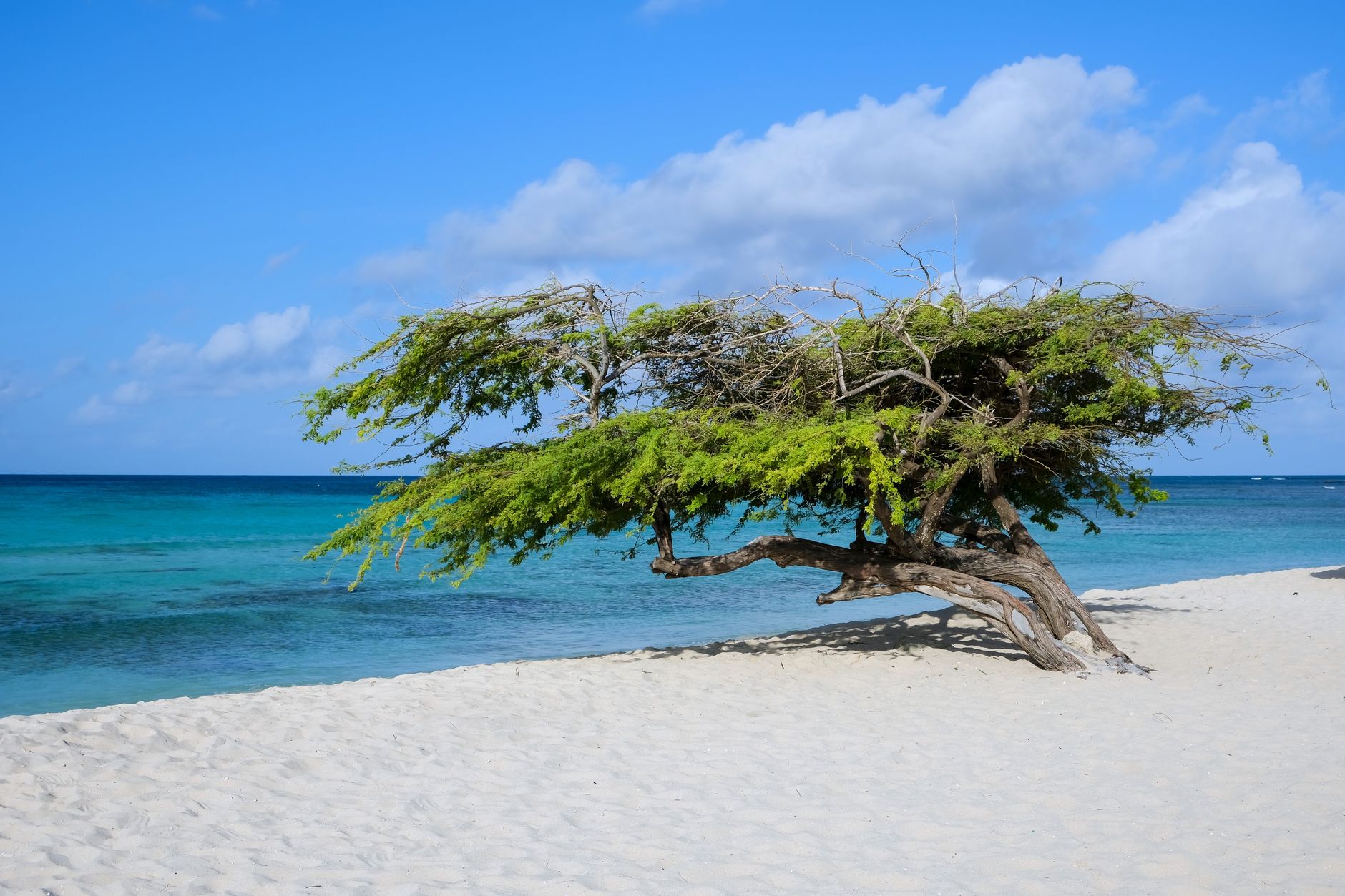
Budget travel on Aruba combines several transportation methods. Use public buses for daily commutes. Rent a car for two or three days to explore remote areas. Take taxis only for late-night trips or special occasions.
Walking is free and works well in downtown Oranjestad and resort areas. Most tourist zones are pedestrian-friendly. Wear sunscreen and drink water frequently. The tropical sun is intense even at 28°C average temperature.
Many hotels offer free shuttle services to downtown areas. Ask your accommodation about shuttle schedules. Some hotels provide beach shuttles to nearby shores. Guest privileges often include map advice and route recommendations.
Group car rentals split costs among travelers. Four people sharing a vehicle dramatically reduce per-person expenses. Coordinate travel plans with other visitors at your accommodation. Online travel groups connect budget-minded visitors for group rentals.
Money-Saving Transportation Tips
Book car rentals online before arrival for better rates. Airport pick-up often costs more than downtown offices. Rent during your second or third day after settling in. Save rental days for exploring far-flung destinations.
Fill your rental car with gas at Oranjestad stations rather than airport locations. Prices at the airport are 10 to 15% higher. Plan your route to minimize driving time. Shorter journeys reduce fuel costs and rental duration charges.
Eat lunch at local spots instead of tourist restaurants. Prices are 30 to 40% lower away from beaches. Ask taxi drivers and locals for authentic restaurant recommendations. Food budget shrinks significantly with local exploration.
PRO TIP: Purchase a multi-day bus pass if available through your hotel or the terminal. These passes offer savings for frequent riders and eliminate the need to pay per trip.
Driving in Aruba: What To Know
Driving in Aruba feels comfortable for most visitors. Roads are modern with consistent quality. Traffic rules follow standard Caribbean protocols. Signs use Spanish and English clearly. The island's small size means you never drive more than an hour in any direction.
Left-side driving takes adjustment for North American visitors. Stay on the left lane. Yield to traffic coming from the right at roundabouts. Drive cautiously through residential areas. Pedestrians and cyclists share roads without separated lanes.
Speed limits are enforced with radar and speed cameras. Main highways allow 80 km/h speeds. Towns reduce speeds to 40 km/h. School zones drop to 30 km/h. Police issue substantial fines for violations. Speeding carries penalties that can exceed 200 AWG.
Seatbelts are mandatory for all passengers. Use headlights during dawn and dusk. Avoid driving after dark unless necessary. Street lighting is limited outside main towns. Wildlife like donkeys cross roads in rural areas. Stay alert and drive defensively.
Parking and Vehicle Security
Paid parking areas exist in Oranjestad and major beaches. Most hotels provide free parking for guests. Parking at public beaches is usually free but limited. Secure parking protects your rental vehicle.
Car theft is uncommon in Aruba. Still, lock doors and remove valuables. Never leave belongings visible in parked cars. Use hotel safes for passports and cash. Park in well-lit areas near people and activity.
Gas stations have attendants who help with parking. Ask about secure lot options. Some stations offer attendant-watched parking for a small fee. This service costs just a few florins.
Fuel and Vehicle Maintenance
Gas stations cluster in Oranjestad and San Nicolas. Quality fuel is available everywhere on the island. Rental cars are well-maintained and unlikely to need repairs. Report any mechanical issues to the rental company immediately.
Fill up during business hours when stations are staffed. Prices are moderate compared to North America and Europe. Your rental agreement includes roadside assistance. Keep emergency numbers from the rental company in your phone.
Scooter and Bike Rental
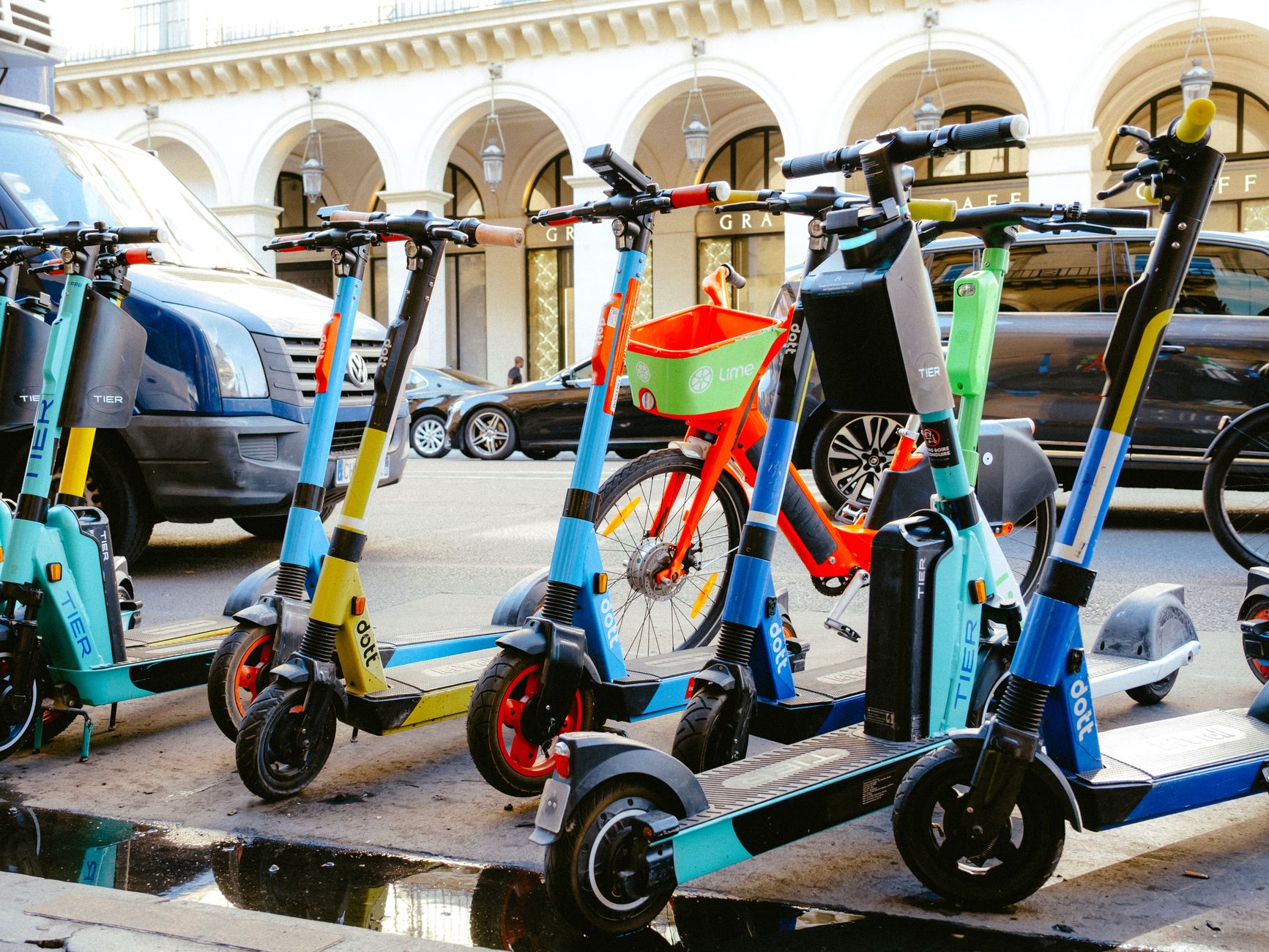
Scooter and bike rental offers alternative transportation on Aruba. Several shops rent motorcycles and bicycles near beaches and downtown. Scooters range from 50cc to 250cc models. Bikes work well for short distances and flat terrain.
Scooter rental requires a valid motorcycle license from your home country. Age restrictions apply, typically 18 or older. Helmet use is mandatory by law. Rental shops provide helmets with all scooters. Insurance is usually included in rental fees.
Bicycles are perfect for exploring Oranjestad and nearby beaches. The island is flat with excellent cycling conditions. Several shops rent mountain bikes and beach cruisers. Daily rental rates are affordable. Helmets are recommended though not legally required for adults.
Scooters consume less fuel than cars. They navigate narrow downtown streets easily. Scooters work well for exploring villages and coastal roads. Wind and sun exposure require sunscreen and water. The 28°C heat intensifies on a scooter without shade.
Where To Rent Scooters and Bikes
Major rental shops operate in Oranjestad, Eagle Beach, and Palm Beach. Locations are within walking distance of hotels. Online booking works, but walk-ins often secure same-day rentals. Shop websites show vehicle options and rates clearly.
Ask rental staff about safe routes and traffic patterns. Experienced staff provide valuable local advice. Helmets fit properly before riding. Test brakes and lights before leaving the shop. Report any mechanical issues before departure.
Safety and Road Rules for Two-Wheelers
The same traffic laws apply to scooters and bikes as cars. Left-side driving is mandatory. Headlights must be on during dawn and dusk. Hand signals communicate turns and stops. Roundabouts require extra caution with two-wheelers.
Defensive driving protects riders from careless drivers. Keep speeds moderate on all roads. Avoid riding at night without excellent visibility. Rain is rare but surfaces become slippery quickly. Ride slowly during and after rain.
Secure your scooter with the provided lock. Park in visible areas. Never leave valuables attached to the vehicle. Use hotel parking when possible. Report theft immediately to the rental shop and police.
PRO TIP: Rent a scooter for one day to explore beaches north of Palm Beach. The windy coastal roads offer stunning views, and scooters navigate the terrain better than large rental cars.
Frequently Asked Questions
What Is the Minimum Age for Car Rental in Aruba?
Most car rental companies in Aruba require renters to be at least 21 years old. Some agencies set the minimum at 25 years. Drivers under 25 typically pay surcharges ranging from 15 to 25 AWG per day. Check with your chosen rental company before booking. Age verification requires a valid driver's license and passport. Younger drivers should confirm age policies when reserving their vehicle.
Do I Need an International Driving Permit for Car Rental in Aruba?
An international driving permit is not required in Aruba. Your valid home country license is sufficient for most nationalities. English-speaking countries' licenses are readily accepted. Non-English licenses may need translation, though rental agencies often handle this. Bring your passport and original license together. Check your rental company's specific requirements before arrival. Some companies request a credit card for security deposits when non-English licenses are presented.
Is Driving on the Left Side Safe in Aruba for North American Visitors?
Driving on the left side is safe in Aruba with proper caution and adjustment time. Roads are well-maintained and clearly marked. Traffic moves predictably with enforced speed limits. Practice driving slowly on quiet roads initially before attempting busier routes. Take extra time at roundabouts to understand flow patterns. Most North American visitors adapt within a day or two of careful driving. Avoid driving at night until you feel completely comfortable with left-side traffic.
Can I Rent a Car at Queen Beatrix International Airport?
Yes, multiple car rental companies operate desks at Queen Beatrix International Airport. Major companies like Hertz, Budget, and Avis have airport locations. Pick-up desks are in the arrival hall after customs. Rental process typically takes 15 to 30 minutes with all documents ready. Airport rentals cost slightly more than downtown offices. Booking ahead online often saves money and reduces wait times. Rental car agencies operate extended hours from 8 AM to midnight daily.
What Transportation Option Is Best for Exploring Remote Beaches in Aruba?
Car rental is the best option for reaching remote beaches in eastern Aruba. Public buses have limited service to far-flung beaches. Taxis become expensive for full-day beach exploration. A rental car gives you flexibility to spend hours at isolated spots. Rent for one or two days specifically for eastern exploration. Bring plenty of water, sunscreen, and snacks since amenities are sparse. Remote beaches offer solitude and authentic island beauty unavailable through guided tours.