
Last updated:
Best Dive Sites in Aruba
Aruba offers some of the Caribbean's most accessible and rewarding dive sites. The island's protected waters make scuba diving safer and easier than many other destinations. Most sites sit within 40 feet of depth, which works perfectly for various skill levels. You'll find vibrant coral formations and abundant marine life at every major location.
The Antilla wreck ranks as one of Aruba's most famous dive sites. This 400-foot German freighter sank in 1940 during World War II. The wreck sits in just 60 feet of water, making it accessible to intermediate divers. Fish swarm around the structure year-round. The wreck exploration takes about 45 minutes and provides incredible photo opportunities.
Barcadera Reef offers stunning coral and fish populations. This site reaches depths of 40 to 60 feet. You'll encounter brain coral, staghorn coral, and colorful parrotfish here. The reef slopes gradually, which makes it perfect for beginners taking their first steps into deeper water. Morning dives provide the best visibility and calmer conditions.
Malmok Reef sits just off the coast near Malmok Beach. This shallow site ranges from 25 to 40 feet deep. You'll see turtle grass beds, patch reefs, and abundant small fish. Macro photography enthusiasts love this location. The calm waters here make it ideal for beginners building confidence underwater.
Scuba Diving for Beginners in Aruba

Beginners find excellent conditions in Aruba for learning to scuba dive. The island's calm, warm waters create a perfect training environment. Most dive operators offer open water certification courses. These courses take three to four days and include classroom work, confined water training, and open water dives.
Shallow reef areas provide ideal locations for your first underwater experiences. Sites like Malmok Reef and Butterfly Fish Reef stay shallow enough for safe exploration. You'll build confidence without feeling rushed or uncomfortable. Instructors guide you through every step of the learning process.
Water temperature remains warm year-round at about 28°C. You'll only need a thin wetsuit for protection. The calm conditions mean less struggle against currents or waves. Visibility typically exceeds 60 feet, so you'll see everything clearly from the start. These factors combine to make Aruba an ideal beginner destination.
Many beginners worry about equalization (clearing your ears). Aruba's shallow sites let you descend slowly and practice this skill multiple times. Instructors teach you several equalization techniques. The gradual depth means you can stop and practice whenever needed. Most students master equalization by their second dive.
Buddy diving becomes second nature in these protected waters. Your dive partner stays close, and instructors monitor both of you carefully. You'll develop good communication habits from the beginning. These skills transfer to diving anywhere in the world once you finish your certification.
PRO TIP: Book your certification course several weeks before your trip. This allows time to complete online theory work. You'll spend more time actually diving during your vacation instead of sitting in classrooms.
Snorkeling in Aruba
Snorkeling offers access to Aruba's underwater beauty without diving certification. You can explore colorful reefs in just 10 to 20 feet of water. Most beaches have snorkeling-friendly areas with easy entry and minimal currents. The warm water makes long snorkeling sessions comfortable and enjoyable.
the Antilla wreck, Malmok Reef, and Barcadera Reef provides excellent snorkeling opportunities near downtown Oranjestad. The beach features calm conditions and good coral coverage close to shore. You'll see tropical fish, rays, and occasionally sea turtles. The beach has amenities including food-restaurants, shops, and restroom facilities. Most snorkelers find 45 minutes to 90 minutes of underwater exploration satisfying.
Butterfly Fish Reef offers abundant marine life visible from the surface. The shallow depth means you don't need to go deep to see everything. Nurse sharks occasionally visit this area, but they remain harmless and curious. Colorful parrotfish and angelfish populate the reef constantly. This location sits minutes from town, making access simple.
Eagle Beach provides a long sandy area perfect for families. The reef starts about 50 feet from shore in calm conditions. You'll need fins and a snorkel, but no heavy equipment. The protected waters make this beach safe for children learning to snorkel. Nearby restaurants offer refreshments before and after your water time.
What to bring for snorkeling: a well-fitting mask, comfortable snorkel, fins that fit properly, and reef-safe sunscreen. Rash guards or wetsuits protect your skin from sun and coral. Underwater cameras capture memories of the fish you encounter. Arrive early for the calmest conditions and clearest water.
Dive Schools and Operators
Aruba hosts numerous professional dive schools and operators certified by major diving organizations. These shops provide equipment rentals, guided dives, and certification courses. Most operators speak English fluently and cater to international guests. They follow strict safety protocols and maintain modern equipment.
When choosing a dive operator, verify their certifications with PADI, SSI, or NAUI organizations. Reputable shops display their credentials prominently. Ask about their safety records and equipment maintenance schedules. Read recent reviews from other divers who used their services. Most operators offer free hotel pickups for resort guests.
Equipment rental typically includes tank, regulator, buoyancy control device, and wetsuit. Dive computers can be rented separately if you prefer your own. Most shops offer discounted rates for multi-day packages. Bring your certification card to speed up check-in processes. Rental equipment meets modern safety and performance standards.
Guided dive tours take groups of four to eight divers per guide. Guides point out marine life and explain reef ecology during your dive. They ensure everyone stays together and safe throughout the experience. Dives typically last 45 to 60 minutes of underwater time. Surface intervals between dives allow for rest and hydration.
Certification courses run three to four days and cost varies by operator and course level. Open water certification requires classroom work, pool training, and ocean dives. Advanced certification teaches deep diving, navigation, and specialty skills. Rescue certification trains you to help other divers. All courses include comprehensive training materials and instructor support.
PRO TIP: Call dive shops directly several weeks before arrival. Book morning dives for the best visibility. Morning conditions typically mean calmer water and brighter sunlight penetrating deeper.
What You Will See Underwater
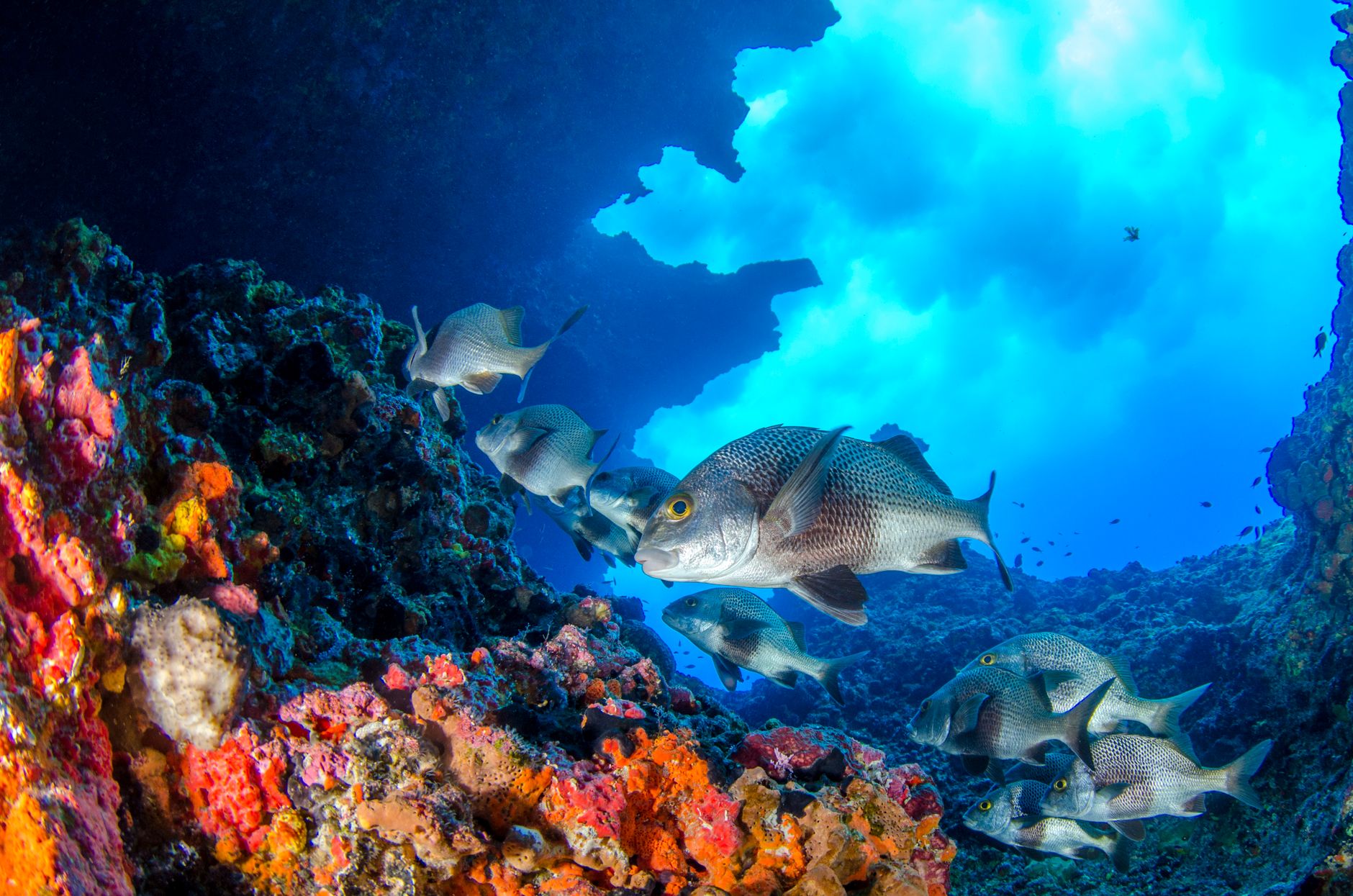
Aruba's underwater world teems with tropical fish, corals, and other marine creatures. You'll encounter parrotfish, angelfish, and wrasses on nearly every dive. Larger species like groupers and snappers inhabit deeper sections of the reefs. Occasionally, divers spot eagle rays gliding gracefully through the water.
Coral formations create the foundation of Aruba's reef ecosystem. Brain coral colonies grow slowly over decades. Staghorn coral branches offer shelter to countless small fish. Sea fans wave gently with the current. Soft corals display bright colors ranging from yellow to purple. These corals support the entire food chain in Aruba's waters.
Sea turtles appear frequently in Aruba's waters. Green sea turtles and loggerhead turtles feed on seagrass and small organisms. They seem curious about divers but maintain their distance. Watching a turtle graze peacefully becomes a highlight of many dives. Photography of turtles requires patience and a slow approach.
Nurse sharks inhabit sandy areas between reefs. These bottom-dwelling sharks hunt small fish and crustaceans. They show no aggression toward divers. Many divers find nurse sharks shy and difficult to approach closely. Their streamlined bodies and spotted patterns make them beautiful subjects for photographs.
Urchins, starfish, and other invertebrates add variety to what you'll see. Brittle stars hide in crevices during the day. Sea cucumbers crawl slowly across sandy bottoms. Lobsters emerge from holes at night (night diving required to see them). Octopuses occasionally show themselves, displaying impressive color changes. These creatures fascinate photographers and casual observers alike.
Fish behavior adds entertainment to your dives. Cleaning stations attract large fish waiting to be cleaned by smaller fish. You can observe this symbiotic relationship firsthand. Schools of jacks circle overhead, creating dynamic movement. Pufferfish inflate when threatened, displaying their defensive mechanism. Each dive reveals new behaviors and interactions.
Best Time To Dive in Aruba

Aruba offers excellent diving conditions year-round. The island sits south of the hurricane belt, avoiding tropical storms. Water temperature remains consistently warm at 28°C throughout the year. Visibility typically exceeds 60 feet, allowing clear underwater views. These factors make Aruba a reliable destination for consistent diving quality.
January through June represents the best months for diving conditions. Weather during these months brings calm seas and excellent visibility. Rainfall remains minimal, keeping the water clear and blue. Trade winds blow consistently but gently. Most divers and families plan vacations during these dry months. Expect more crowded dive sites and busier beaches during peak season.
December presents good diving conditions as the dry season begins. January through March offers some of the year's best weather. April through June continues excellent diving with fewer tourists. These shoulder months provide less crowded conditions while maintaining great water quality. Prices drop slightly during shoulder season compared to peak winter months.
July through November represents the wet season. Afternoon showers occur more frequently during these months. Humidity increases, but water temperatures stay warm and comfortable. Visibility remains acceptable, though occasional silt can reduce it. Fewer tourists visit during these months, meaning quieter beaches and less crowded dive sites. Operators continue running regular dives throughout the year.
Rain showers in the wet season typically last 30 to 60 minutes. They rarely prevent diving or snorkeling. Water temperature stays at 28°C, requiring only light wetsuits. Some divers prefer the quieter conditions and lower prices during wet season. If you're flexible with travel dates, consider visiting July through November for a different experience.
Frequently Asked Questions
What Certification Do I Need To Scuba Dive in Aruba?
You'll need an open water diving certification from a recognized organization like PADI, SSI, or NAUI. This certification proves you've completed required training and can dive safely. If you don't have certification yet, Aruba's dive shops offer courses for beginners. Most courses take three to four days and include all necessary instruction. You'll dive under instructor supervision until you earn your card.
Is Scuba Diving Safe in Aruba's Waters?
Scuba diving in Aruba ranks as very safe for certified divers. The island's calm, protected waters make diving easier than many other destinations. Professional dive operators follow strict safety protocols. Water temperatures remain comfortable year-round. Visibility typically exceeds 60 feet, allowing divers to see potential hazards clearly. Most injuries occur due to diver error or ignoring safety guidelines rather than environmental factors.
Can I Snorkel Without Getting Certified To Dive?
Absolutely. Snorkeling requires no certification or special training. You only need a mask, snorkel, and fins. Most beaches in Aruba offer excellent snorkeling in shallow water. You can explore coral reefs and see fish while staying at the surface. the Antilla wreck, Malmok Reef, and Barcadera Reef and Eagle Beach provide popular snorkeling locations. Many families choose snorkeling as their primary water activity during Aruba vacations.
How Much Does a Scuba Dive Cost in Aruba?
Dive shop pricing varies, but most operators charge comparable rates for their services. Rather than quoting specific prices that may change, contact dive shops directly for current rates. Many shops offer discounts for multi-dive packages and multi-day trips. Certification courses cost more than single dives due to extended instruction time. Equipment rental adds to the total cost if you're not bringing your own gear.
What Should I Pack for an Aruba Diving Vacation?
Bring your diving certification card, log book, and any prescription eyeglasses if you use them underwater. Pack reef-safe sunscreen, a rash guard, and lightweight clothing for the warm weather. Bring a camera if you want to photograph underwater scenes. Consider a thin wetsuit for protection and comfort. Pack medications if you take any regularly. Comfortable walking shoes help when exploring rocky areas near dive sites.