
Last updated:
Understanding the Best Time To Visit Aruba
Aruba sits in the southern Caribbean, where consistent warm weather makes it a year-round destination. The best time to visit Aruba depends on what matters most to you. Some travelers want dry weather and comfortable beach days. Others prefer fewer crowds and lower prices. This guide helps you choose the perfect time for your needs.
The island experiences two main seasons: dry and rainy. Most visitors come during the dry season from December through April. These months offer reliable sunshine and calm ocean conditions. However, other months bring their own advantages. You'll find fewer tourists and better deals during shoulder and rainy seasons. We'll break down each season so you can decide what works best for your trip.
Aruba Weather by Month
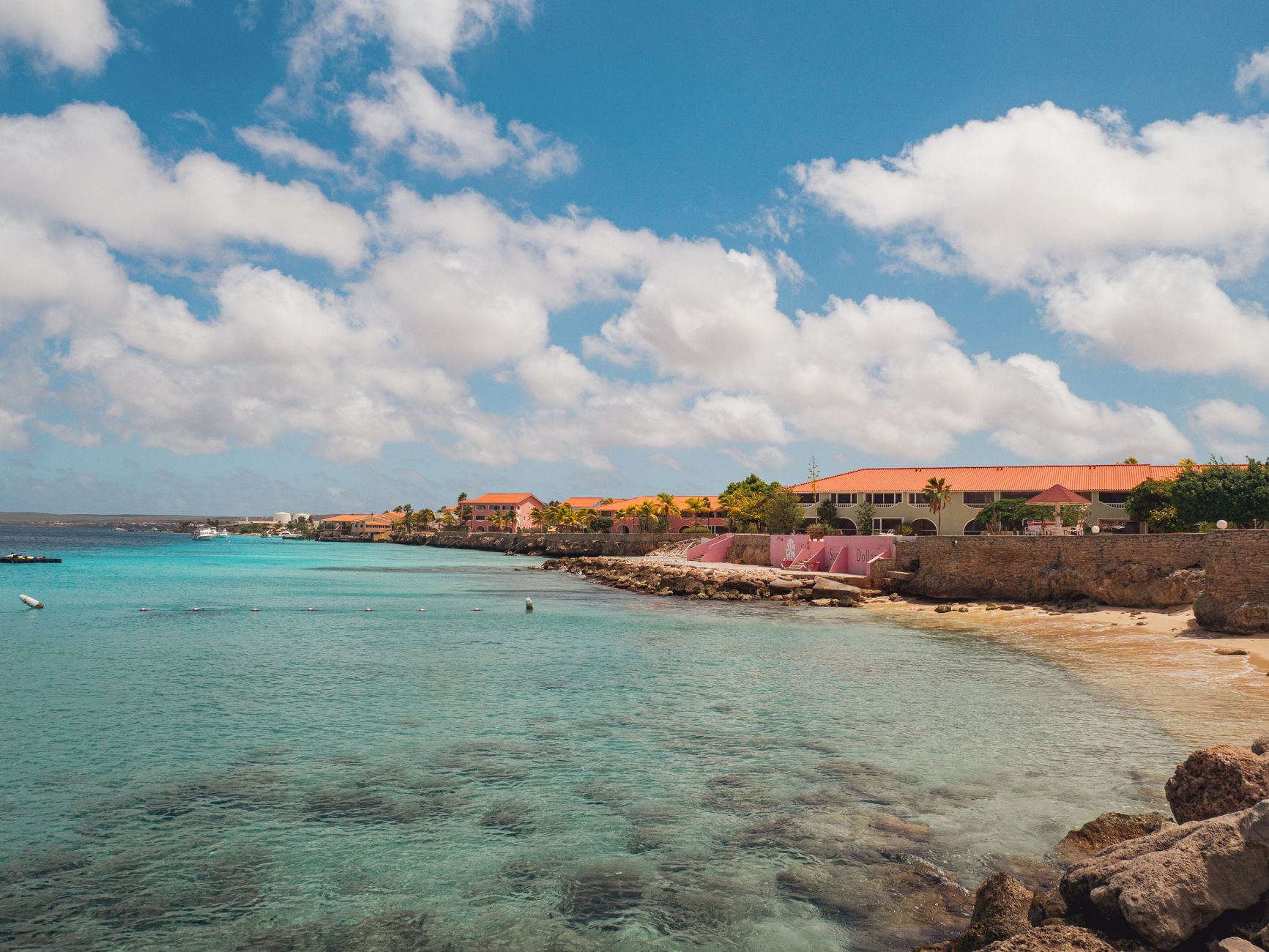
January: January brings peak dry season weather to Aruba. Expect daily temperatures around 28°C with very little rain. Trade winds keep the island cool and comfortable. This is the busiest month, so hotels fill quickly and prices peak. You'll enjoy excellent conditions for beach activities and water sports throughout the month.
February: February continues the perfect dry season pattern. Weather remains warm and sunny with minimal rainfall. Humidity stays low thanks to constant ocean breezes. The island sees continued high visitor numbers and premium pricing. This month ranks among the best for outdoor activities and diving.
March: March offers another outstanding month for visitors. Temperatures stay near 28°C with mostly sunny skies. Rainfall remains minimal across the island. Easter holidays can bring extra crowds and higher prices. The weather stays ideal for water sports and beach exploration.
April: April marks the transition toward the rainy season. Temperatures begin to climb slightly above 28°C. Rain chances increase but remain relatively low. Visitor numbers drop significantly from the peak season. This month offers good value while maintaining mostly pleasant weather.
May: May sees warmer temperatures and more frequent rainfall. Expect around 28°C on average with occasional afternoon showers. Trade winds continue to keep the island comfortable. Tourism drops noticeably, bringing better hotel rates. The island stays green and lush from increased rainfall.
June: June offers warm weather with growing rain potential. Temperatures hover near 28°C, sometimes exceeding that. Afternoon thunderstorms become more common but usually brief. Fewer tourists visit during this month. Accommodations and activities cost significantly less than peak season.
July and August: These months bring the warmest weather and occasional heavier rains. Temperatures can exceed 30°C. Humidity levels rise during this period. The rainy season peaks in September and October. July and August fall between seasons, offering moderate pricing.
September and October: September and October represent peak rainy season months. More frequent and heavier rainfall occurs throughout these months. Temperatures stay warm but humidity increases substantially. Tourist numbers drop to their lowest levels. Hotel rates and activity prices reach their cheapest points.
November: November marks the beginning of the dry season's return. Rainfall decreases significantly as the month progresses. Temperatures start to moderate from summer highs. Tourism begins picking up as travelers anticipate holiday season. This shoulder month offers decent weather and reasonable prices.
December: December delivers excellent weather as the dry season returns. Temperatures settle around 28°C with minimal rainfall. Holiday travel begins, bringing increased visitor numbers and higher prices. The month offers wonderful beach conditions and is great for water activities. New Year holidays can see peak crowding and peak pricing.
PRO TIP: Pack lightweight, breathable clothing year-round since temperatures stay consistently warm. Bring reef-safe sunscreen regardless of season, as UV rays are strong near the equator. Rain in Aruba typically falls in short bursts, so even rainy season months offer plenty of sunshine.
Peak Season in Aruba
Peak season in Aruba runs from December through March. During these months, the island experiences its best weather conditions. Temperatures stay warm and comfortable at around 28°C. Rainfall is minimal, and trade winds keep humidity manageable. These factors make peak season incredibly popular with international visitors.
Hotels, food-restaurants, and attractions operate at full capacity during peak season. You'll find vibrant energy throughout the island, especially in Oranjestad and at popular beaches. Activity operators offer frequent departures for tours and water sports. Most businesses maintain extended hours to accommodate visitor demand. The atmosphere feels festive and busy, especially around Christmas and New Year holidays.
However, peak season comes with higher prices for everything. Hotel rates increase significantly during these months. Restaurant meals, car rentals, and activity tours all cost more. Beaches become noticeably crowded, particularly in the mornings. Popular dive sites can see multiple dive boats operating simultaneously. Reservations become essential for accommodations and popular activities.
December and January attract the most visitors due to holiday breaks. Families travel during school closures. Couples and retirees escape cold weather in northern regions. The island hosts numerous holiday events and celebrations. New Year's Eve brings particularly large crowds and premium pricing.
February and March see slightly fewer visitors than December and January. Yet these months still rank among the busiest periods. Spring breakers begin arriving in March. Weather remains excellent throughout these months. They offer a good balance between nice conditions and relatively fewer crowds compared to December.
Shoulder Season: Best Value for the Best Time To Visit Aruba

Shoulder season includes April, May, June, and November. These months bridge the gap between peak and rainy seasons. You'll find significantly better prices than peak season. Hotels offer discounts and better rates during these periods. Car rental companies and activity operators also reduce their pricing.
April and May: April and May offer pleasant weather with occasional afternoon showers. Temperatures remain around 28°C, comfortable for outdoor activities. Trade winds continue cooling the island. Tourist numbers drop noticeably from peak season. Hotels typically offer 20 to 30 percent discounts compared to winter months. Beaches remain pleasant without the crowding.
Rainy season transitions happen gradually during these months. You might see more clouds and brief afternoon thunderstorms. However, rainfall patterns remain light and scattered. Mornings typically stay clear and sunny. Rain rarely interrupts water activities or beach days for extended periods.
November: November represents the best shoulder season month for most travelers. Weather begins improving as dry season returns. Temperatures hover near 28°C with decreasing rainfall. Tourism picks up but remains moderate compared to peak season. Hotel rates remain reasonable, making this a sweet spot for value.
November offers excellent weather conditions while avoiding peak season premiums. The island looks particularly beautiful as it transitions into the dry season. Trade winds return, keeping the island comfortable. This month often gets overlooked by tourists, which works in your favor. You'll experience authentic Aruba without overwhelming crowds.
PRO TIP: Visit Aruba in late April or May for the best balance of weather and value. Bring a light rain jacket or poncho for occasional afternoon showers, but pack mostly sunny-day clothing. Many restaurants and shops offer special deals during these quieter months to attract visitors.
Rainy Season in Aruba
Rainy season in Aruba runs from July through October. September and October receive the most rainfall during this period. Despite being called rainy season, Aruba receives relatively little rain compared to other Caribbean destinations. The island sits outside the hurricane belt, making it very safe year-round. Tropical storms rarely impact Aruba directly.
Rainfall during rainy season typically comes in brief afternoon showers. Morning hours usually remain clear and sunny. Humidity increases during these months but remains tolerable thanks to trade winds. Temperatures can exceed 30°C, making midday quite warm. Evening showers help cool the island and provide relief from heat.
Rainy season offers the lowest prices of the entire year. Hotels offer significant discounts, sometimes 40 to 50 percent off peak season rates. Restaurants and activity operators reduce prices to attract visitors. Beaches are virtually empty compared to peak season. Popular attractions rarely feel crowded.
Many travelers successfully visit during rainy season. The frequent but brief showers don't ruin beach days. Water activities remain possible on most days. Diving actually improves during these months as water clarity increases. The island's lush vegetation thrives with increased rainfall, creating beautiful natural scenery.
However, some travelers should avoid rainy season. Those with limited vacation days may not want any weather uncertainty. Families with specific school schedules can't choose these months. Travelers who prioritize guaranteed sunny weather should stick with peak season. Business travelers often can't adjust schedules to match rainy season.
July and August fall technically in rainy season but aren't the wettest months. These months offer more rain than summer months in northern regions experience all year. Afternoon showers are common but usually brief. Water remains warm and beautiful for swimming and diving. Prices stay significantly lower than peak season.
Best Time To Visit Aruba for Families

Families face timing constraints due to school schedules and vacation calendars. Most families visit during summer breaks, winter holidays, and spring break. December through February align perfectly with winter breaks in northern regions. These months offer peak weather but higher prices and larger crowds.
School summer breaks (June through August) provide another family option. Some families use these months despite increased rain chances. Children enjoy warm water and beach activities regardless of occasional showers. Prices drop significantly compared to peak season. Many resorts offer family-friendly activities and children's programs.
Easter holidays in March and April attract many families. Exact dates vary yearly but typically fall in late March or early April. Weather remains excellent during Easter period. Tourist numbers jump during this holiday week. Hotel rates increase and booking becomes essential for this specific week.
Spring break periods in March vary by school district. Some families have flexibility in choosing spring break timing. Early March offers fewer crowds than late March. Later March brings more crowds as multiple spring break weeks overlap. This creates a busy period but maintains excellent weather conditions.
Best family months: December, January, February, and March offer the most family-friendly conditions. Weather is perfect for beach activities and water sports. Most schools have scheduled breaks during these months. Children enjoy warm weather and outdoor activities. Family-friendly resorts operate special programs during these periods.
Families should avoid July, August, September, and October if possible. While these months are cheaper, rainy season uncertainty affects family plans. Children may feel disappointed by frequent rainfall. School schedules typically don't align with these months anyway. A few families deliberately visit during shoulder season in April, May, or June for lower prices.
PRO TIP: Book family vacations in Aruba at least two months ahead during peak season. Many all-inclusive resorts offer better rates when booked in advance. Pack a mix of lightweight clothing, rain jackets, and water shoes for all family members. Bring reef-safe sunscreen in large quantities since Caribbean sun is intense.
Best Time To Visit Aruba for Diving
Aruba ranks as one of the Caribbean's premier diving destinations. The island offers numerous accessible dive sites suitable for all skill levels. Visibility, water temperature, and weather conditions vary throughout the year. Understanding these variations helps divers choose the best timing.
Dry season diving (December to April): December through April provides excellent diving conditions overall. Water temperature ranges from 26 to 28°C, comfortable for diving without extra protection. Trade winds keep the water relatively calm. Surface conditions are typically calm, making boat dives safe and comfortable. These months attract diving enthusiasts worldwide, so dive sites see more divers.
Visibility during dry season ranges from 20 to 40 meters on average. Calm seas mean fewer suspended particles in the water. Popular sites like the Antilla wreck offer exceptional visibility during these months. Early morning dives often provide the clearest water before midday traffic. However, increased diver numbers mean more boats at popular sites.
Rainy season diving (May to November): Many divers don't realize rainy season actually improves underwater conditions. Water temperature remains warm, around 28 to 30°C. Freshwater runoff from rainfall actually increases water clarity in some areas. The island's surrounding reef benefits from nutrients in rainwater. Dive sites see significantly fewer divers, offering peaceful underwater experiences.
Visibility during rainy season can exceed 30 to 40 meters at deeper sites. Afternoon showers don't affect diving since most dives occur in the morning. Afternoon freshwater runoff actually clears suspended particles. Popular dive sites feel nearly empty during rainy season. You'll encounter more marine life without crowding from other divers.
Year-round diving advantages: Aruba offers dive-worthy conditions every month of the year. No seasonal closure exists for diving operations. Water remains warm enough for diving without heavy protection year-round. The island's reef system thrives year-round. Experienced divers find excellent conditions during every season.
Best diving months: March through May offer an excellent balance. Weather remains mostly excellent with minimal rain. Water visibility exceeds 30 meters at most sites. Dive sites experience moderate crowding, not peak season chaos. Prices drop compared to December through February peak season.
Shoulder season sweet spots: April, May, and November provide outstanding diving value. Prices decrease significantly. Water conditions remain excellent. Dive boats operate regularly but with fewer bookings. You'll experience world-class diving without peak season premiums.
Frequently Asked Questions

When Is the Absolute Best Time To Visit Aruba?
The absolute best time depends on your priorities. For weather alone, choose January through March when conditions are perfect with minimal rain and temperatures near 28°C. For diving, March through May offers excellent visibility and fewer divers. For budget and fewer crowds, visit April, May, or November. For families with school breaks, December through February work best despite higher prices. Consider what matters most to you when choosing your dates.
Is Aruba Safe To Visit During Rainy Season?
Yes, Aruba is very safe during rainy season. The island sits outside the Atlantic hurricane belt, so major storms rarely occur. September and October see the most rain, but showers are typically brief afternoon thunderstorms. Water activities continue throughout rainy season. Rainfall actually increases water clarity at dive sites. The island remains perfectly safe for tourists during these months, just expect occasional afternoon showers rather than all-day rain.
What Should I Pack for Aruba's Weather?
Pack lightweight, breathable clothing for Aruba's consistently warm weather year-round. Bring reef-safe sunscreen with high SPF, as UV rays are intense near the equator. Include a light rain jacket or poncho for possible afternoon showers, especially during shoulder and rainy seasons. Pack water shoes or reef shoes for beach activities. Bring a hat and sunglasses for sun protection. Light layers work well for air-conditioned indoor spaces that contrast with outdoor heat.
Does Aruba Experience Hurricanes?
No, Aruba does not experience hurricanes. The island sits well outside the Atlantic hurricane belt. Its southern Caribbean location places it in a safe zone where tropical storms rarely develop or reach. This makes Aruba exceptionally safe year-round compared to other Caribbean destinations. You can visit any month without hurricane concerns. This geographic advantage is one reason Aruba makes such a reliable travel destination throughout the entire year.
Can I Visit Aruba During Both Peak and Shoulder Seasons?
Yes, many travelers combine peak and shoulder season months in multi-week trips. Some spend a week during peak season for lively atmosphere, then an additional week during shoulder season for quieter experiences. This approach allows experiencing both sides of Aruba. However, most travelers visit during a single season due to vacation time constraints. Consider your available time and whether experiencing both would be worthwhile for your trip goals and budget.